When purchasing a data cabling system, there are many factors to consider. Price is often at the fore, but cheap cabling installations are often compromised by with false economies.
Lynx Networks is not the cheapest installer of data cabling. We don’t want to be. Instead, we focus on providing true value for money by building effective networks that last. Here’s a list of shortcuts that will reduce initial costs but could compromise quality and cost more in the long run.
- Use subcontracted installers
Using sub-contracted installers may not lead to poor cabling network, but subcontractors must be trained and vetted.
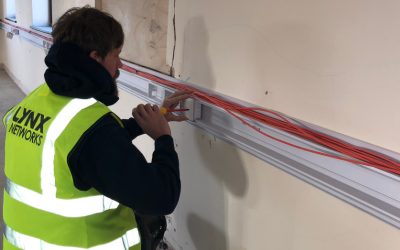
At Lynx, our own full-time installers are proud to be recognised for the quality of their work. Employing them directly ensure we can assure a high level of quality control for our customers.
- Buy cheap or non-compliant components
This may seem obvious, but cutting corners on the quality of parts can have a detrimental effect on your cabling network. Copper-clad aluminium cable, for example, which is available from electrical wholesalers, is much cheaper than solid copper cable but it’s vastly inferior.
- Don’t allow for expansion
A good project manager will always design a cabling network with flexibility built in. Running cable into position for a double outlet has a very similar cost to running cable to a single outlet and may avoid a costly return visit to install another socket.
- Install insufficient containment
Similar to point 3, a good project manager will allow for expansion of the network. Cable routes and containment (trunking, cable baskets etc.) should have capacity for more cable to be installed as your needs grow.
- Skimp on the cable lengths
A data cabling company looking to reduce costs can forgo leaving slack on cables, leaving nothing spare for small moves.
- Rush the installation
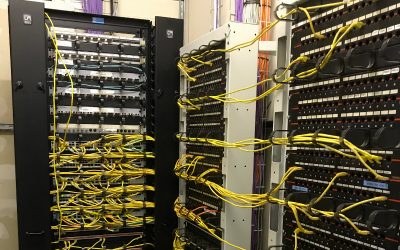
Rushing a cabling installation may mean cables are not properly secured along their length, creating hazards, a messy installation and exposing cables to potential damage.
At Lynx, we don’t put pressure on our installers to take short cuts and get finished quicker. Providing our customers with a quality installation that survives the test of time is at the core of our business.
- Don’t fully test
The test equipment required to certify an installation against British Standards is very expensive, and testing takes time, but you’ll know that your cabling will perform to specification when you need it to.
- Don’t provide a warranty
Many of our cabling installations come with a 25-year warranty. We wouldn’t give a long warranty if we weren’t sure of the quality of the installation, so you can be confident your cabling won’t let you down.
- Ignore the fire regs
Lynx adheres to the regulations that stipulate the cable should have a sufficient CPR fire rating and must be secured over fire escape routes so it will not collapse prematurely in the event of a fire.